

Could the air we breathe, the food we eat, or the chemicals in our everyday environment be accelerating our aging process? A recent study published in Aging suggests that exposure to certain environmental chemicals may be linked to faster biological aging through changes in DNA. These findings could have major implications for public health and longevity.
Aging Research

Radiation therapy or radiotherapy, is a common treatment for cancer, but its effectiveness differs across patients. A recent study published as the cover for Volume 17, Issue 2 of Aging explored why this happens. The findings provide valuable insights, particularly for brain cancers like glioblastoma (GBM) and low-grade gliomas (LGG).

Imagine a simple topical treatment that could help aging skin heal faster, reducing recovery time from wounds and even improving skin quality. Scientists may have found exactly that. A recent study, published in Aging, reveals that a compound called ABT-263 can eliminate aging cells in the skin, boosting its ability to regenerate.
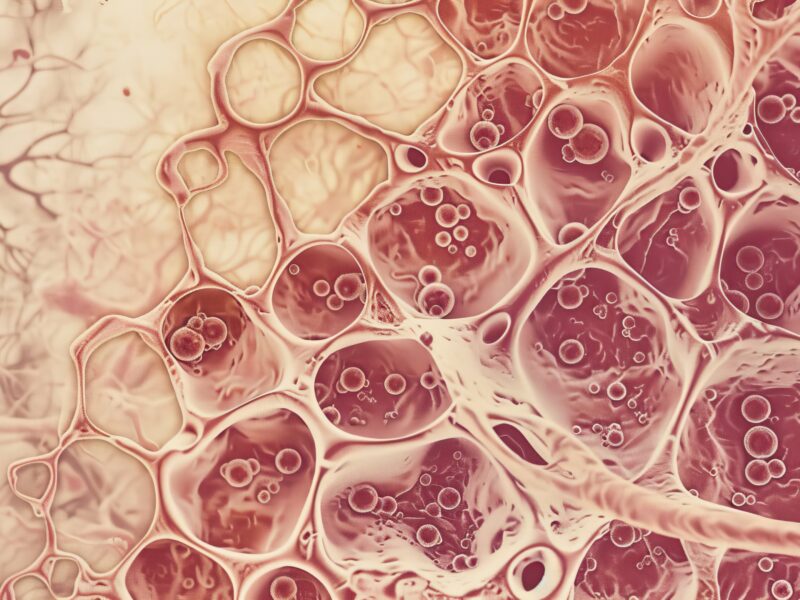
Emerging research suggests that a specific type of body fat may play an important role in healthy aging and physical performance. Researchers from Rutgers New Jersey Medical School explore this topic in a recent research perspective published in Aging (Aging-US). Their work discusses new findings and emerging ideas about the role of brown adipose tissue (BAT), commonly known as brown fat.

Aging affects everyone differently. There are two types of aging: chronological aging, which refers to the number of years a person has lived, and biological aging, which reflects how well the body is functioning based on cellular changes. A recent study published as the cover for Volume 16, Issue 22 of Aging reports a new discovery that could revolutionize the way we understand aging and its impact on health.
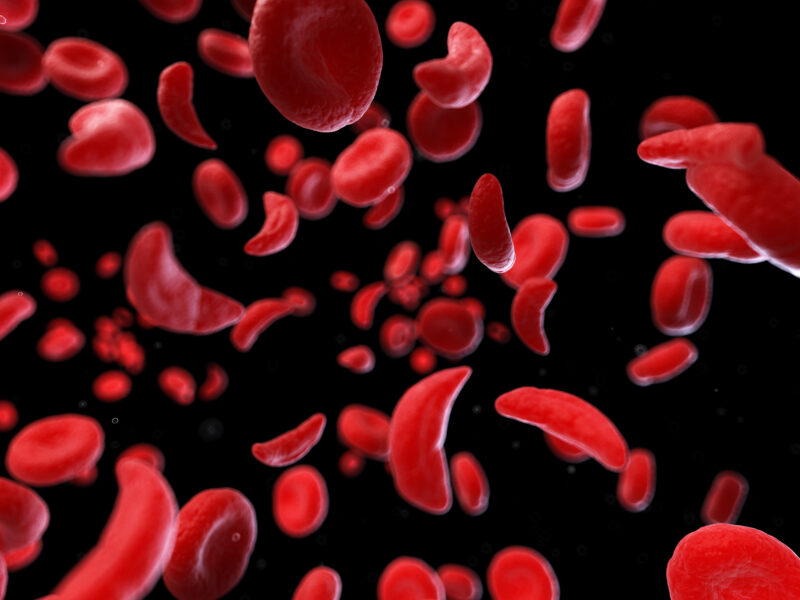
Imagine being 15 years old but having a body that shows signs of aging as if you are decades older. For some young people with sickle cell disease (SCD), this is a reality. A new study published in Volume 16, Issue 21 of Aging shows that SCD causes the body to age much faster than normal. The research not only explains why this happens but also points to new ways to help people with the disease live healthier, longer lives.

Sleep is essential for everyone, but for those living with dementia, it is vital for better health and quality of life. Addressing sleep problems in dementia care is a crucial step toward improving life for both patients and caregivers.
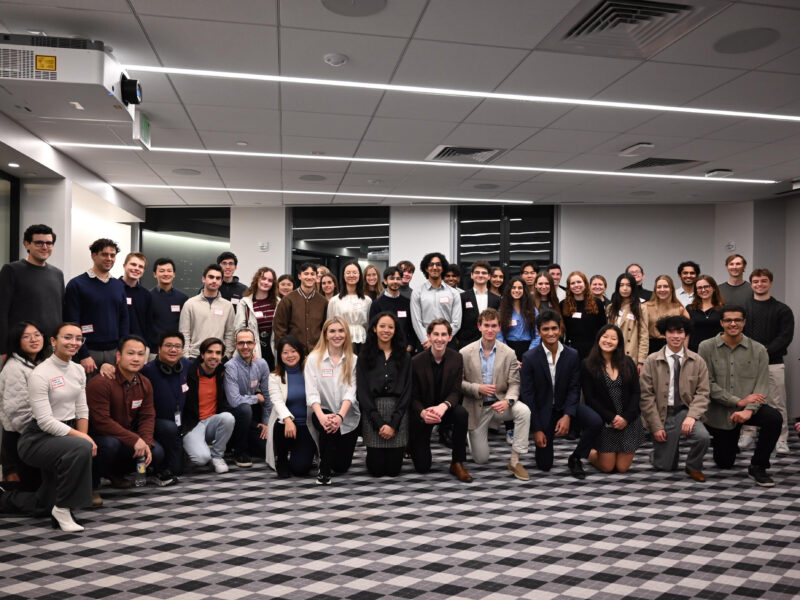
Aging (Aging-US) was a proud sponsor of the “Future of Aging Research Mixer 2024” hosted by the Aging Initiative at Harvard University on November 15 in Boston.

Aging research has made significant progress in recent years by combining disciplines like biology, technology, and medicine to tackle the challenges of extending healthspans and reducing age-related diseases. While people today live longer than ever before, extending our “healthspan”—the years we stay active and illness-free—remains challenging. AI and health biomarkers (biological indicators of our body’s condition) are now key tools in the pursuit of longer, healthier lives.
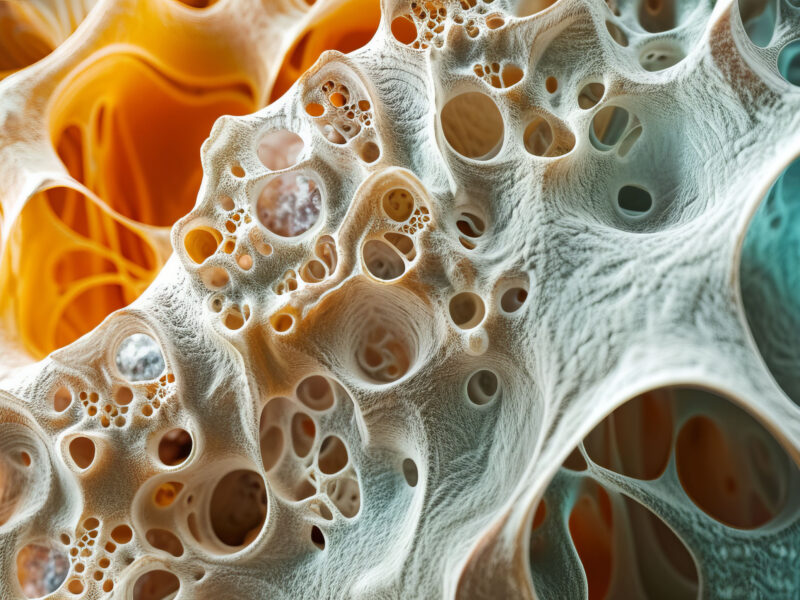
Researchers from Washington University School of Medicine and Washington University in St. Louis, MO, share their findings which underscore the need for complementary protein-level assays in skeletal biology research.