
Aging Blogs

-
EDITORS’ CHOICE: Slowing intervertebral disc aging in mice through long-term systemic treatment with the senolytic BCL-2/BCL-xL proteolysis targeting chimera (PROTAC) 753b
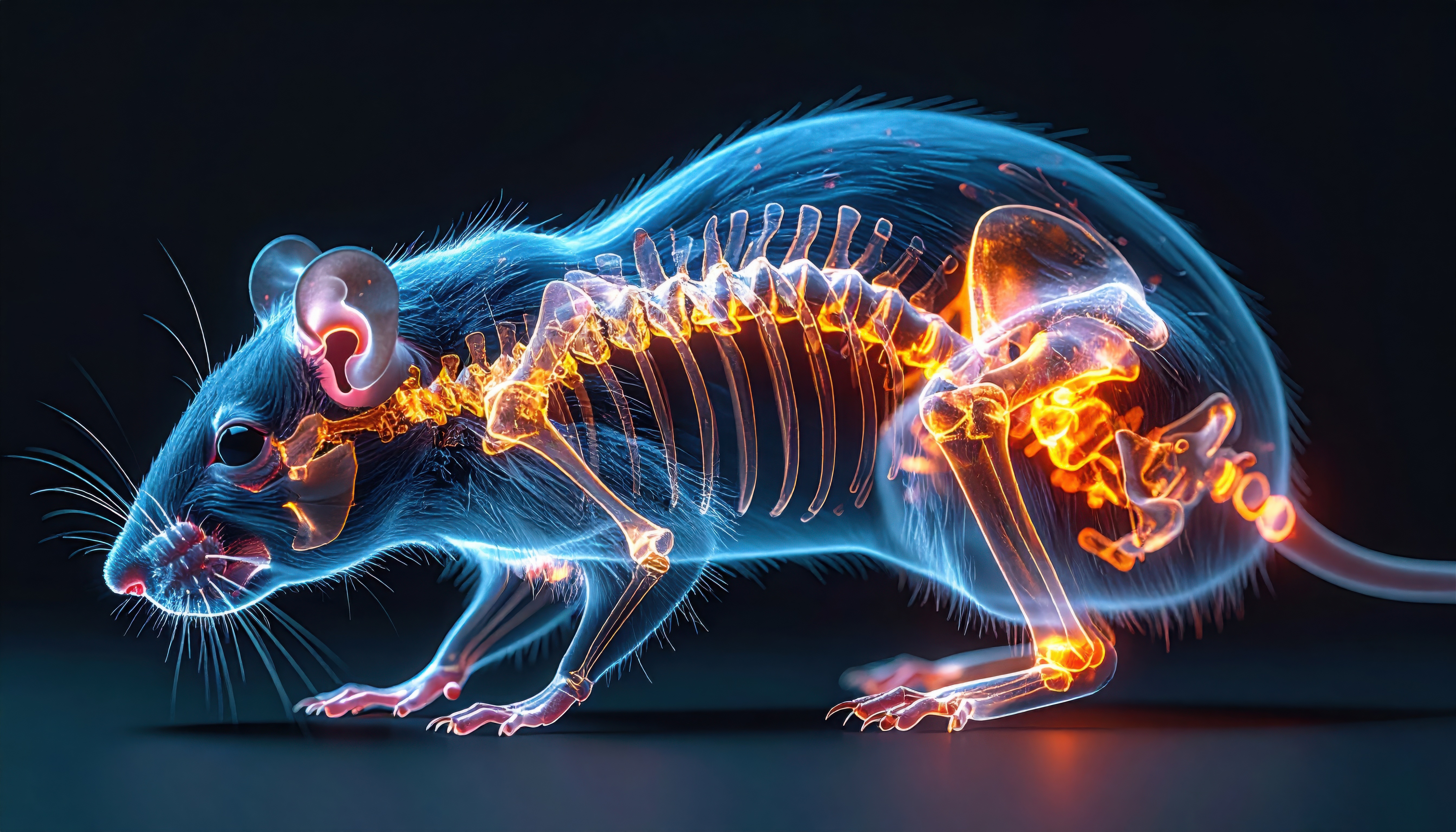
In a research paper recently published in Volume 18 of Aging, researchers examine whether the senolytic PROTAC 753b can slow age-related intervertebral disc degeneration (IDD) in mice.
-
Hypertonic Saline Plus Furosemide Improves Heart Failure Biomarkers in Randomized Trial

A research paper published in Volume 18 of Aging investigated whether combining intravenous furosemide with small volumes of hypertonic saline solution (HSS) could improve biological markers associated with heart failure compared with furosemide alone. … continue reading
-
Brain Flexibility Is Linked to Hand Coordination During Aging

Coordinating both hands is something most people take for granted. Everyday activities such as buttoning a shirt, preparing a meal, driving, or using a knife and fork all depend on the brain’s ability to precisely control movements on both sides of the body. … continue reading
-
EDITORS’ CHOICE: The multifaceted inducers of cellular senescence
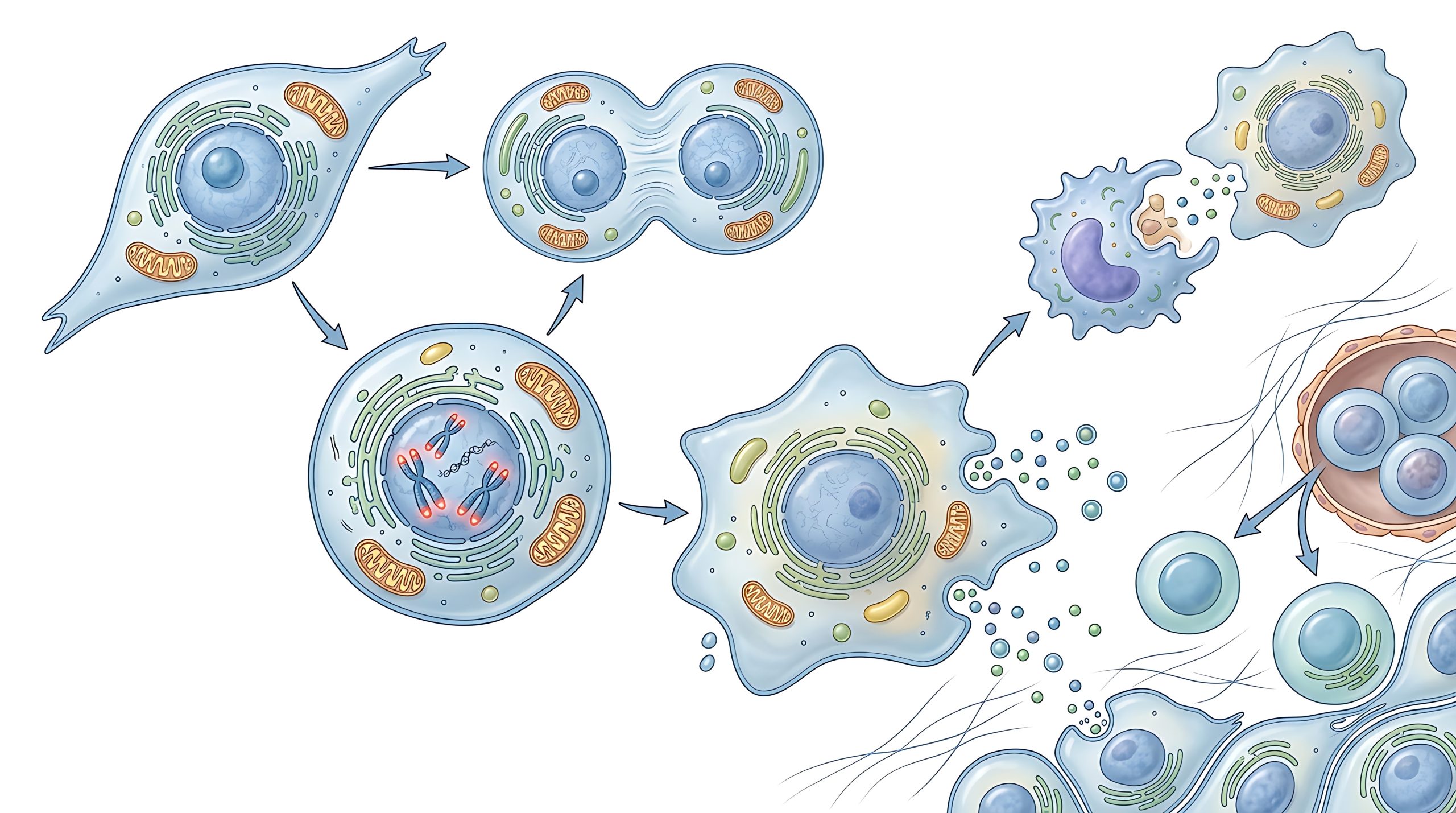
This review examines the many intrinsic and extrinsic stimuli that induce senescence, including DNA damage, oxidative and mitochondrial stress, telomere attrition, oncogene activation, cell–cell fusion, and developmental signals. … continue reading
-
Plant-Based Dietary Patterns Are Associated With Slower Biological Aging

A research paper published in Volume 18 of Aging titled “Plant-based dietary patterns are associated with slower epigenetic aging,” investigated whether diets emphasizing plant foods are associated with slower biological aging as measured by DNA methylation-based epigenetic clocks. … continue reading
Aging: Volume 18
-
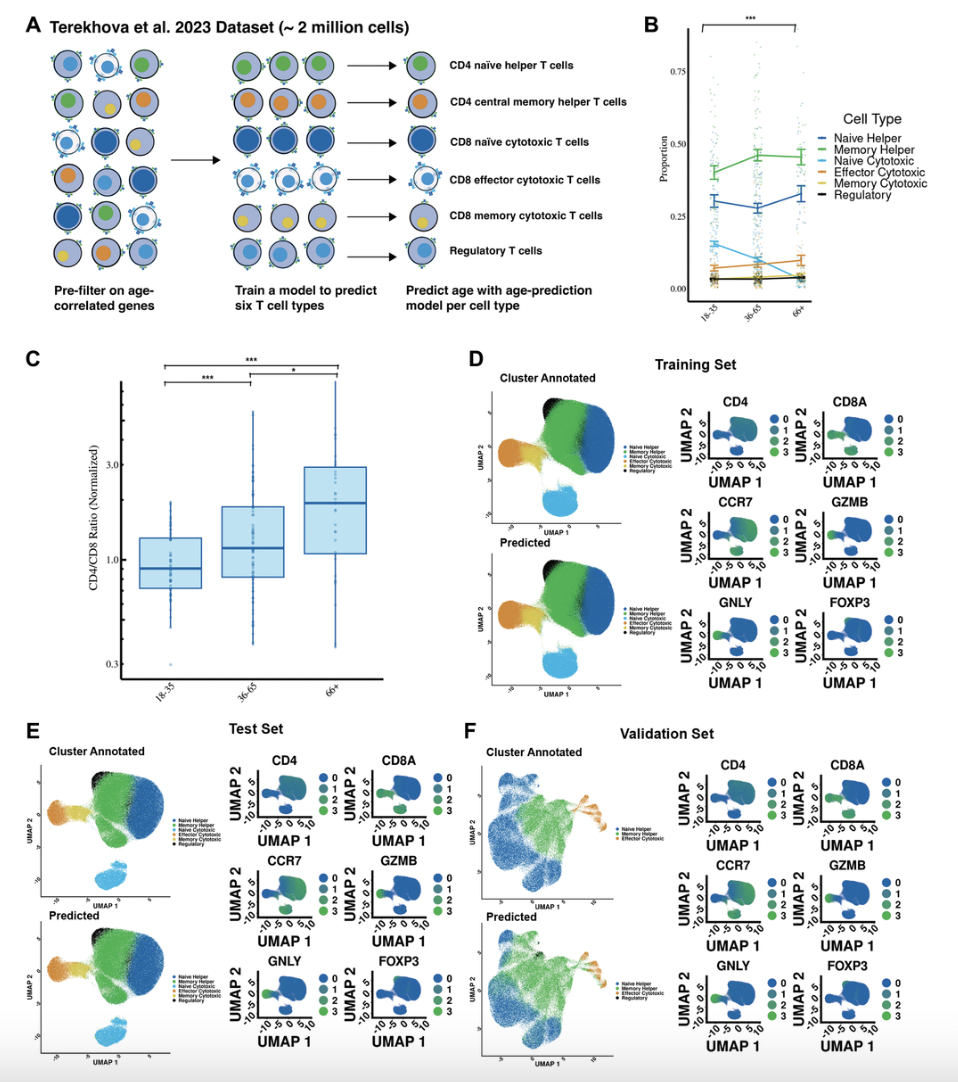
Polyploidy-induced senescence: Linking development, differentiation, repair, and (possibly) cancer?
Since the first description of replicative senescence triggered by telomere shortening in the 1960s, other stressors such as mitochondrial dysfunction and DNA damage were shown to induce senescence in vitro. In vivo, senescent cells show both beneficial physiological and harmful pathological roles, yet their contribution to aging and disease remain incompletely understood.
Press Releases and Author Interviews

ABOUT Dr. Mikhail (Misha) Blagosklonny:

It is with great sadness and heavy heart that we announce the recent passing of Dr. Mikhail (Misha) V. Blagosklonny, our beloved Editor-in-Chief. Misha succumbed to metastatic lung cancer after a courageous battle.
Dr. Blagosklonny will be remembered as a brilliant and extraordinary scientist who dedicated his life to science. He was a visionary thinker, who made highly original contributions to cancer and aging research that were often ahead of their time.
Dr. Blagosklonny was born into a family of scientists. His mother, Professor of Medicine Yanina V. Blagosklonnaya, specialized in endocrinology and was a talented teacher, mentoring several generations of medical students. His father, Professor Vladimir M. Dilman, was a brilliant gerontologist, endocrinologist and oncologist, known for being a very charismatic person. He was the first person to encourage Misha to think about nature, aging, and philosophy.
Misha was a theorist by nature. While in school, he was deeply interested in physics and dreamed of becoming a theoretical physicist. Eventually, he chose biology, driven to study aging and age-related diseases, including cancer. He started as an experimentalist, but over the years, he became a theoretical biologist. In a way, his dream came true.
In Remembrance | @Blagosklonny
ABOUT AGING-US.ORG
Aging-US.org features weekly blog posts describing new and trending research papers published by Aging.
ABOUT AGING
Aging is dedicated to advancing our understanding of the biological mechanisms that drive aging and the development of age-related diseases. Our mission is to serve as a platform for high-quality research that uncovers the cellular, molecular, and systemic processes underlying aging, and translates these insights into strategies to extend healthspan and delay the onset of chronic disease.
We aim to promote: 1) The treatment of age-related diseases through interventions that target the aging process itself, 2) the validation of anti-aging therapies by demonstrating their impact on functional decline and disease onset, and 3) the development of preventative strategies that delay or mitigate age-associated pathologies by modulating key aging mechanisms.
Impact Journals, the publisher of Aging, meets the standards of the Wellcome Trust Publisher Requirements and was included in the Wellcome Trust List of Compliant Publishers. Read about our rigorous Scientific Integrity Process.
To learn more, please visit Aging-US.com and connect with us:
Facebook | X | LinkedIn | YouTube | Instagram | Bluesky | ResearchGate | Pinterest | SoundCloud
