Aging has long been linked to a range of biological processes, including cellular senescence, epigenetic changes, and chronic tissue remodeling. Yet, these explanations often describe what happens during aging rather than why certain age-related diseases, such as fibrosis, continue to progress over time.
Aging Research
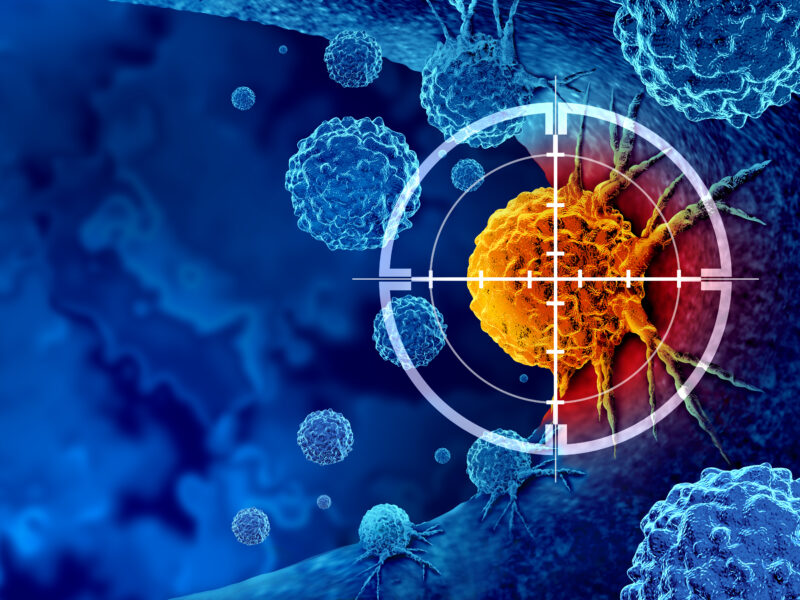
Treating aggressive cancers that do not respond to standard therapies remains one of the most significant challenges in oncology. Among these are basal-like breast cancers (BLBC), which lack hormone receptors and HER2 amplification. This makes them unsuitable for many existing targeted treatments. As a result, therapeutic options are limited, and patient outcomes are often poor.
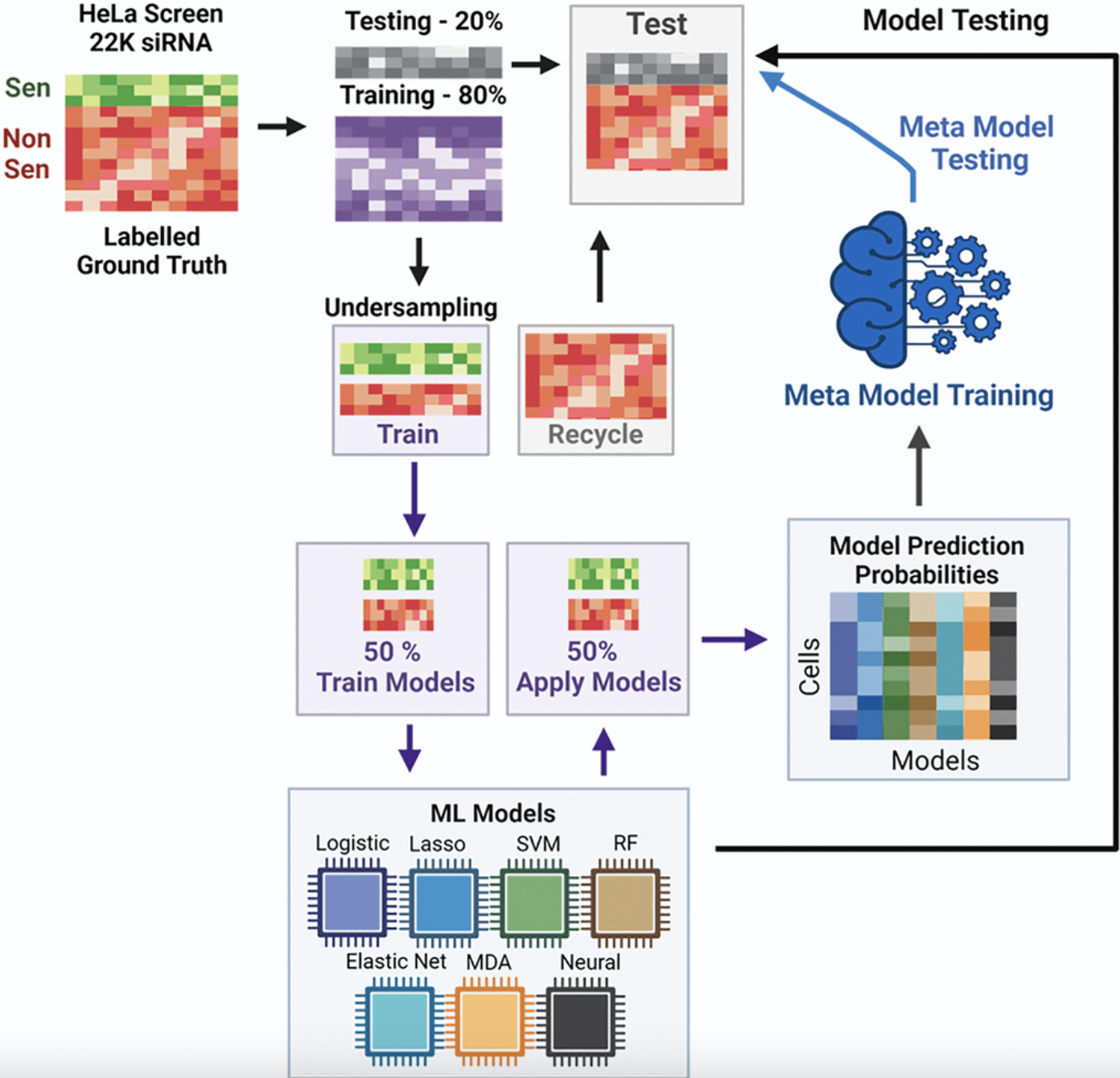
The paper featured on the cover of this issue of Aging-US, published on October 30, 2025, entitled “SAMP-Score: a morphology-based machine learning classification method for screening pro-senescence compounds in p16-positive cancer cells,” represents an important methodological and conceptual advance at the interface of senescence biology, imaging and drug discovery.

Interest in healthier, longer lives is rising, supported by recent scientific advances in aging research. But turning those discoveries into everyday healthcare solutions remains a work in progress. In this landscape, longevity clinics have attracted attention as personalized alternatives to traditional medicine
Imagine a simple topical treatment that could help aging skin heal faster, reducing recovery time from wounds and even improving skin quality. Scientists may have found exactly that. A recent study, published in Aging, reveals that a compound called ABT-263 can eliminate aging cells in the skin, boosting its ability to regenerate.

In this new study, researchers investigated the senescent phenotypes of human corneal endothelial cells upon UV-A exposure.

In a new study, researchers aimed to investigate the prognostic significance of senescence-related TME genes in head and neck squamous cell carcinoma (HNSCC) and their potential implications for immunotherapy response.