In this special collection, Aging seeks to bring together cutting-edge research that spans the cellular and molecular underpinnings of cognitive aging with insights into the psychosocial, behavioral, and environmental factors that modulate its course.
Aging Research

A new study published recently as the cover of Aging Volume 17, Issue 6, describes a new method to estimate how fast the brain is aging. By analyzing lipids, or fat molecules, in brain tissue, researchers from the National University of Singapore and Hanze University of Applied Sciences created a biological “clock” called DoliClock.
As we age, our brains become more sensitive to stress and disease. A recent study sheds light on a lesser-known risk: reduced oxygen levels.

In this new study, researchers investigated the intricate link between mitophagy and cancer stem cells.
In this study, researchers use neuroimaging to see how menopause alters brain structure and connectivity in postmenopausal women.

In this study, researchers investigated age-associated gene expression changes in the prefrontal cortex of male and female brains and used machine learning to develop age prediction models.
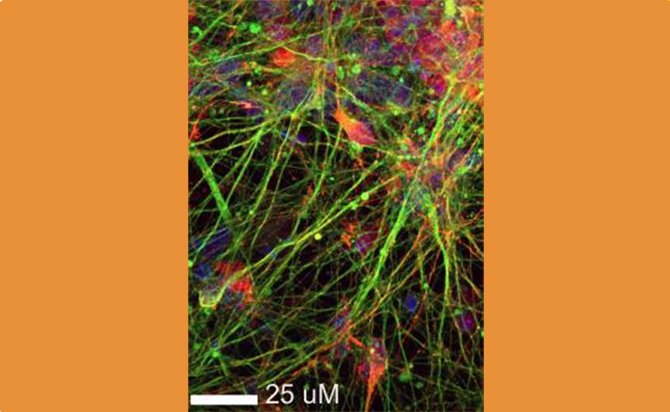
In a new editorial, researchers discuss interconnected mechanisms of neuronal functionality and available tools to investigate neuronal aging and longevity.