
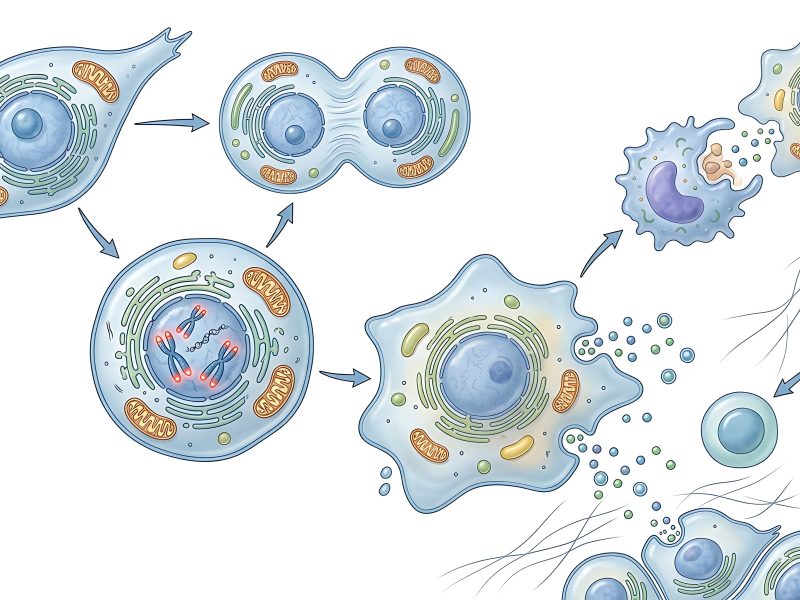
This review examines the many intrinsic and extrinsic stimuli that induce senescence, including DNA damage, oxidative and mitochondrial stress, telomere attrition, oncogene activation, cell–cell fusion, and developmental signals.
Aging Research
This exploratory randomized controlled trial investigated whether a 12-week lifestyle intervention combining exercise, dietary guidance, and daily consumption of yogurt containing Bifidobacterium longum BB536 could influence biological aging.

In the research paper, titled “Association of epigenetic age acceleration with MRI biomarkers of aging and Alzheimer’s disease neurodegeneration,” researchers investigated whether epigenetic clocks of biological aging are associated with MRI markers of brain aging and Alzheimer’s disease-related neurodegeneration in 1,196 older women.

In this study, titled “Plant-based dietary patterns are associated with slower epigenetic aging,” the researchers examined whether plant-based dietary patterns are linked to biological aging in large, diverse U.S. populations.
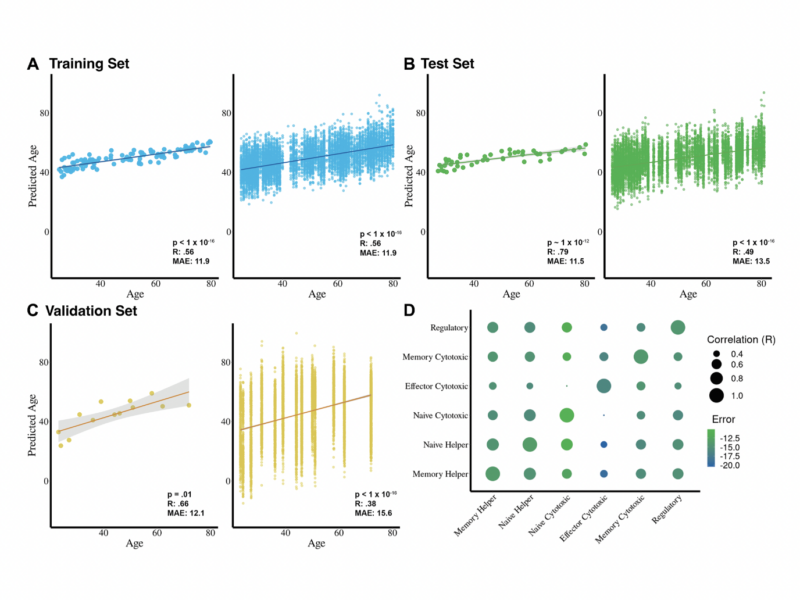
In this study, titled “Single-cell transcriptomics reveal intrinsic and systemic T cell aging in COVID-19 and HIV” and published in Volume 18 of Aging-US, researchers used single-cell RNA sequencing to analyze aging-related changes in human T cells.
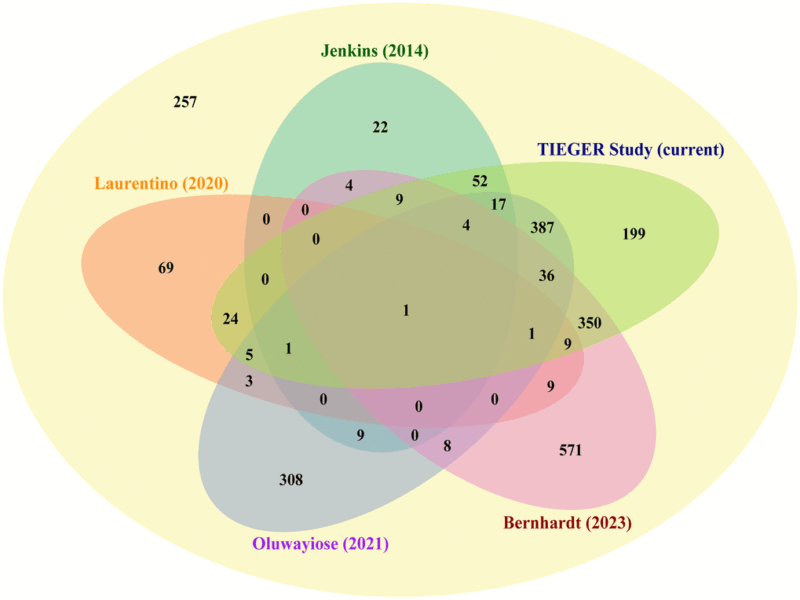
The results of studies revealed in this paper indicate that advanced paternal age increases the risk of autism spectrum disorder (ASD) in children, potentially due to sperm epigenetic changes.
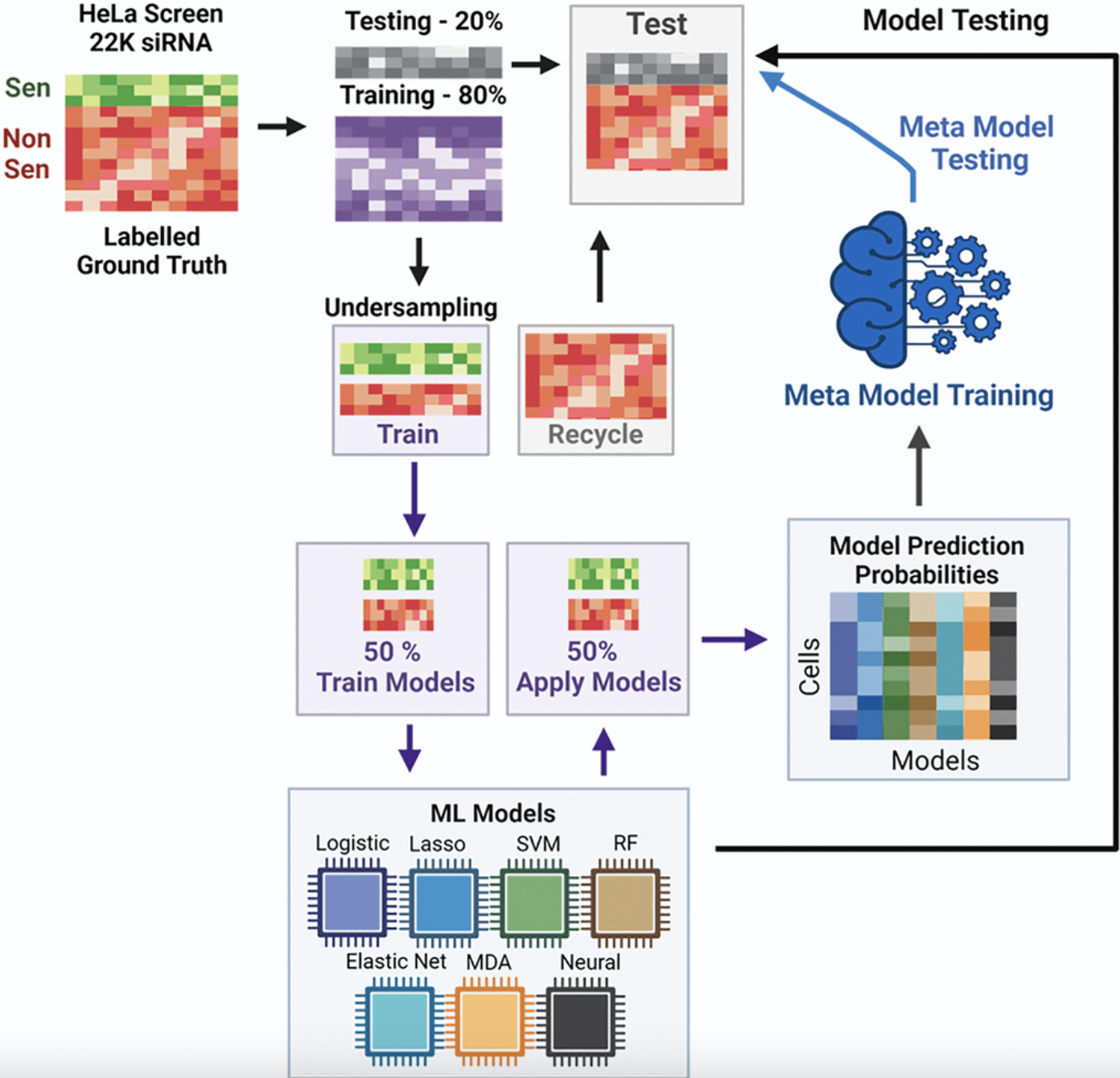
The paper featured on the cover of this issue of Aging-US, published on October 30, 2025, entitled “SAMP-Score: a morphology-based machine learning classification method for screening pro-senescence compounds in p16-positive cancer cells,” represents an important methodological and conceptual advance at the interface of senescence biology, imaging and drug discovery.