
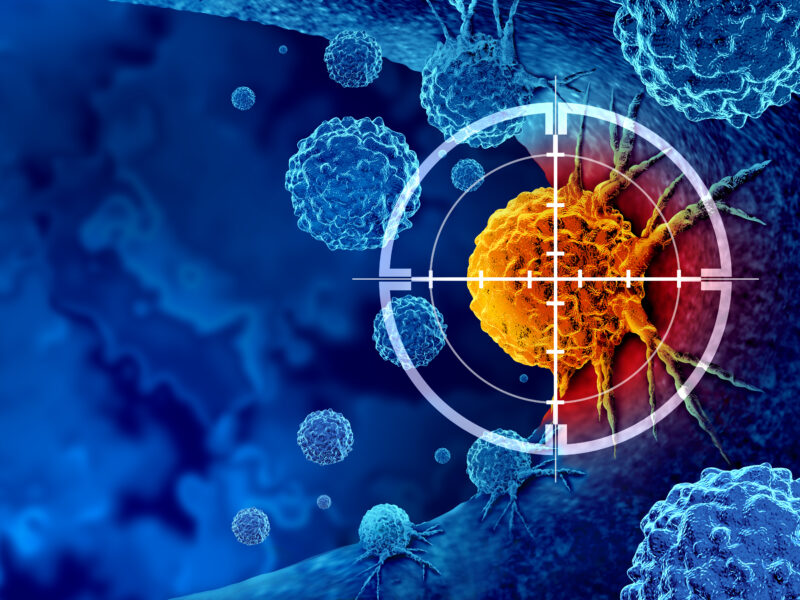
Treating aggressive cancers that do not respond to standard therapies remains one of the most significant challenges in oncology. Among these are basal-like breast cancers (BLBC), which lack hormone receptors and HER2 amplification. This makes them unsuitable for many existing targeted treatments. As a result, therapeutic options are limited, and patient outcomes are often poor.
Aging Research
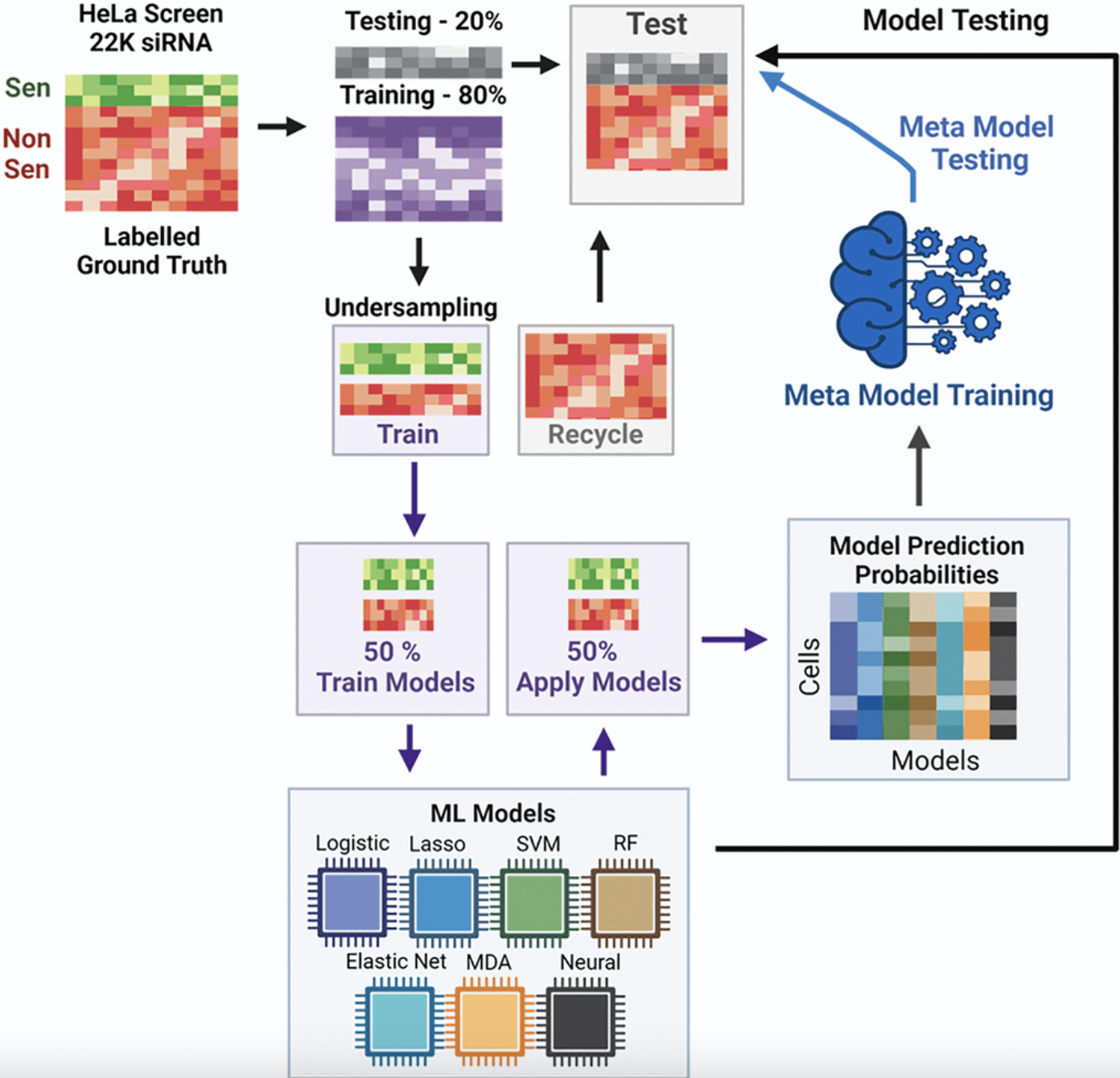
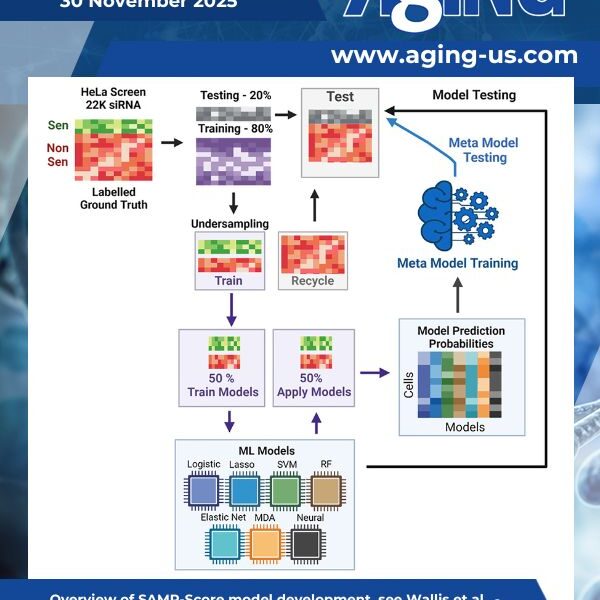
The paper featured on the cover of this issue of Aging-US, published on October 30, 2025, entitled “SAMP-Score: a morphology-based machine learning classification method for screening pro-senescence compounds in p16-positive cancer cells,” represents an important methodological and conceptual advance at the interface of senescence biology, imaging and drug discovery.
Senescence identification is rendered challenging due to a lack of universally available biomarkers. This represents a bottleneck in efforts to develop pro-senescence therapeutics – agents designed to induce the arrest of cellular proliferation associated with a senescence response in cancer cells for therapeutic gain.
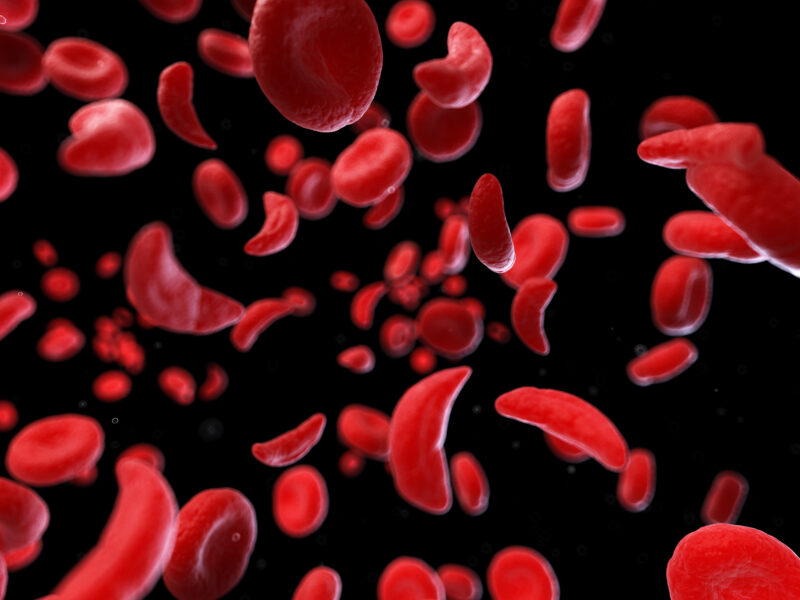
Imagine being 15 years old but having a body that shows signs of aging as if you are decades older. For some young people with sickle cell disease (SCD), this is a reality. A new study published in Volume 16, Issue 21 of Aging shows that SCD causes the body to age much faster than normal. The research not only explains why this happens but also points to new ways to help people with the disease live healthier, longer lives.