

A new research perspective published in Volume 18 of Aging-US introduces a unifying concept in aging biology, titled “A decline in glycolytic ATP production is the fundamental mechanism limiting lifespan; species with an optimal rate of decline over time survived.”
Aging Research
The aging of an organism is reflected not only in the function of its organs but also in the molecular signatures written into its cells. For years, scientists have cataloged the changes in protein-coding genes and various non-coding RNAs that occur as we grow older.

Werner syndrome is a rare condition marked by accelerated aging. A recent study, featured as the cover paper in Aging (Aging-US), Volume 17, Issue 4, led by researchers at the University of Oslo and international collaborators, suggests that nicotinamide adenine dinucleotide (NAD+), a vital molecule involved in cellular energy production, may be key to understanding this disease and developing future strategies to manage it.

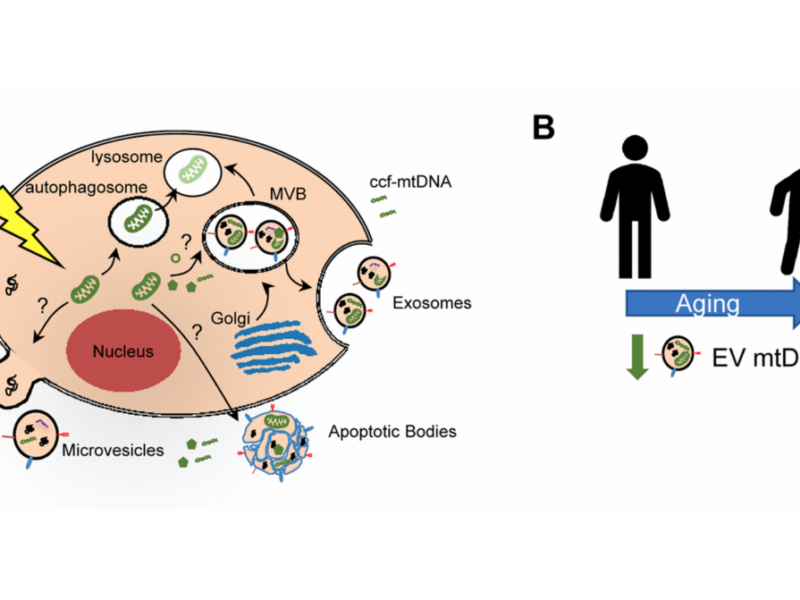
Authors from the National Institute on Aging wrote the editorial paper, “Mitochondria as extracellular vesicle cargo in aging.”