

As we age, every tissue in the body undergoes gradual molecular changes. A long-standing question in aging research is whether these changes follow common patterns across tissues or whether each tissue ages on its own.
Aging Research
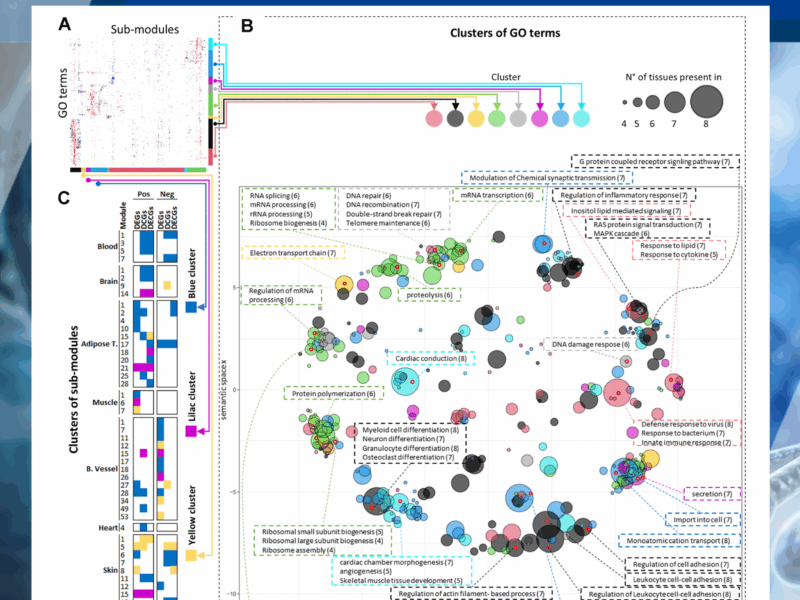
Although transcriptomic changes are known to occur with age, the extent to which these are conserved across tissues is unclear. Previous studies have identified little conservation in age-modulated genes in different tissues. Here, we sought to identify common transcriptional changes with age in humans (aged 20 to 70) across tissues using differential network analysis, assuming that differential expression analysis alone cannot detect all changes in the transcriptional landscape that occur in tissues with age.

Treating aggressive cancers that do not respond to standard therapies remains one of the most significant challenges in oncology. Among these are basal-like breast cancers (BLBC), which lack hormone receptors and HER2 amplification. This makes them unsuitable for many existing targeted treatments. As a result, therapeutic options are limited, and patient outcomes are often poor.
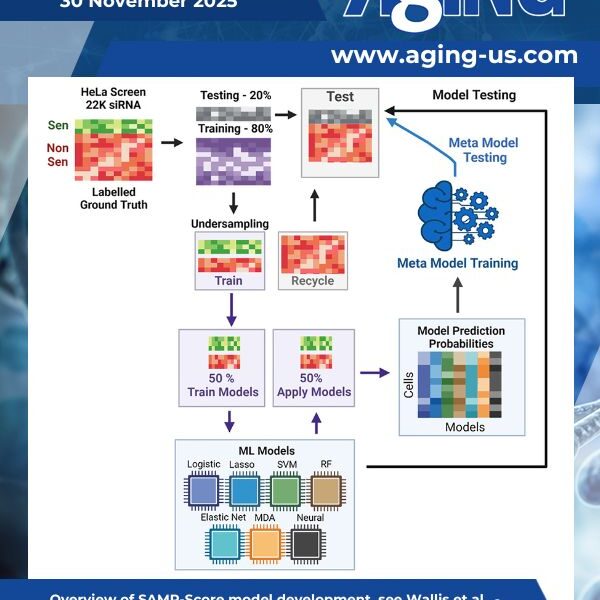
Senescence identification is rendered challenging due to a lack of universally available biomarkers. This represents a bottleneck in efforts to develop pro-senescence therapeutics – agents designed to induce the arrest of cellular proliferation associated with a senescence response in cancer cells for therapeutic gain.

Synucleinopathies are a group of age-related neurological disorders, including Parkinson’s disease, dementia with Lewy bodies, and multiple system atrophy. Most individuals are not diagnosed until these diseases have significantly progressed, as early symptoms, such as a reduced sense of smell, subtle cognitive or motor changes are too vague to serve as reliable indicators.
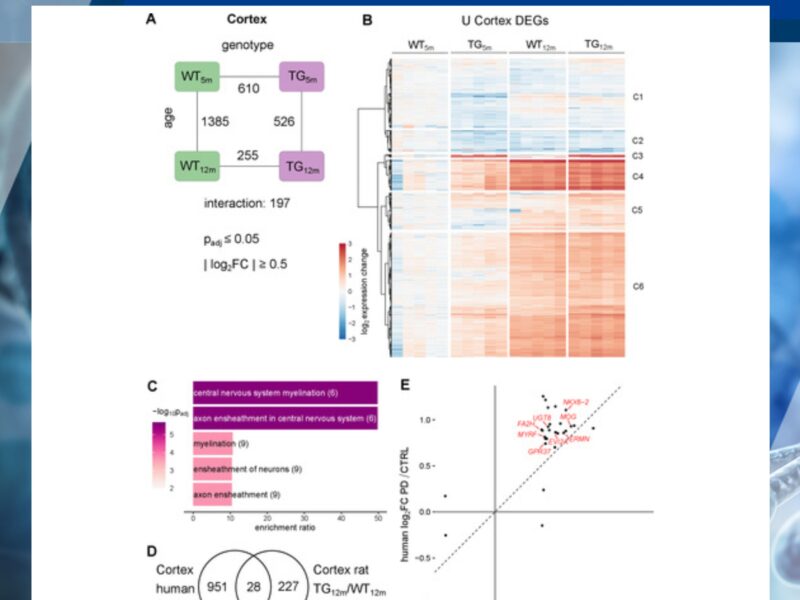
Synucleinopathies are age-dependent neurodegenerative diseases characterized by alpha-synuclein accumulation with distinct vulnerabilities across brain regions. Understanding early disease stages is essential to uncover initial molecular changes that might enable earlier diagnosis and causal therapy.

As life expectancy increases, there is growing interest not only in extending lifespan but also in improving the quality of those additional years. To address the physical and cognitive decline that often accompanies aging, researchers have explored a variety of strategies.
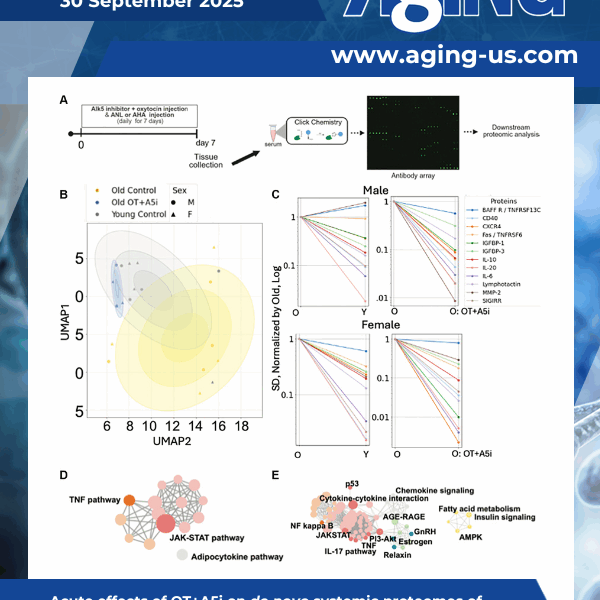
Here, we examined whether simultaneous calibration of pathways that change with aging in opposite directions would be more effective in increasing healthspan and lifespan. Moreover, we started with the challenging age group – frail 25-months-old mice that are equivalent to ~75-year-old people.

As the global population grows older, understanding what drives the aging process is becoming increasingly important. Diseases like Alzheimer’s, cardiovascular conditions, and cancer are more common with age, yet many current treatments only manage symptoms rather than addressing the underlying biological causes.
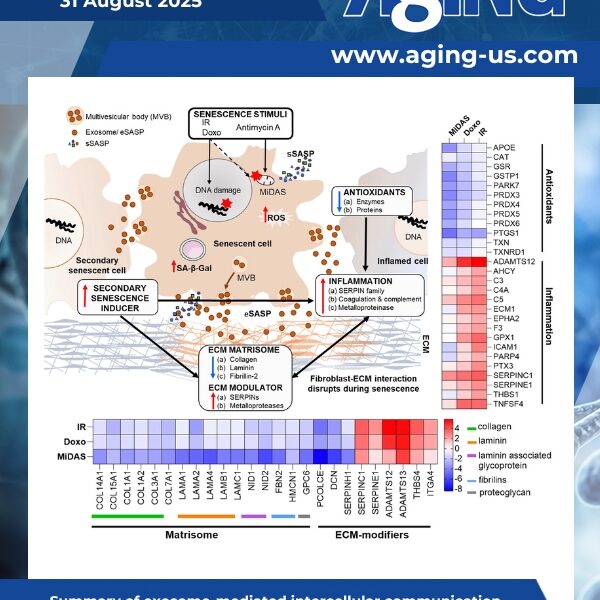
Senescence emerged as significant mechanism of aging and age-related diseases, offering an attractive target for clinical interventions. Senescent cells release a senescence-associated secretory phenotype (SASP), including exosomes that may act as signal transducers between distal tissues, and propagate secondary senescence.