
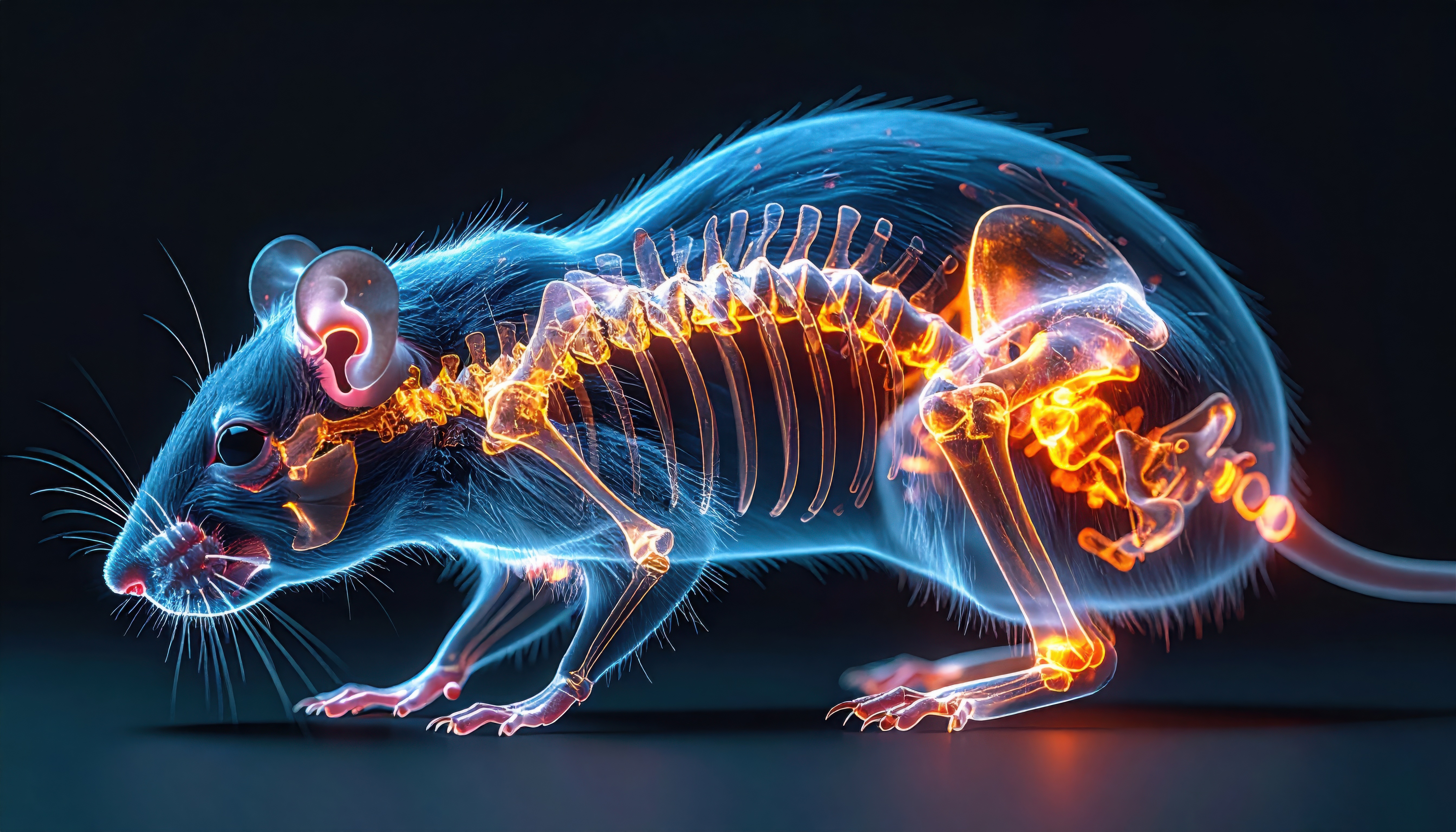
In a research paper recently published in Volume 18 of Aging, researchers examine whether the senolytic PROTAC 753b can slow age-related intervertebral disc degeneration (IDD) in mice.
Aging Research
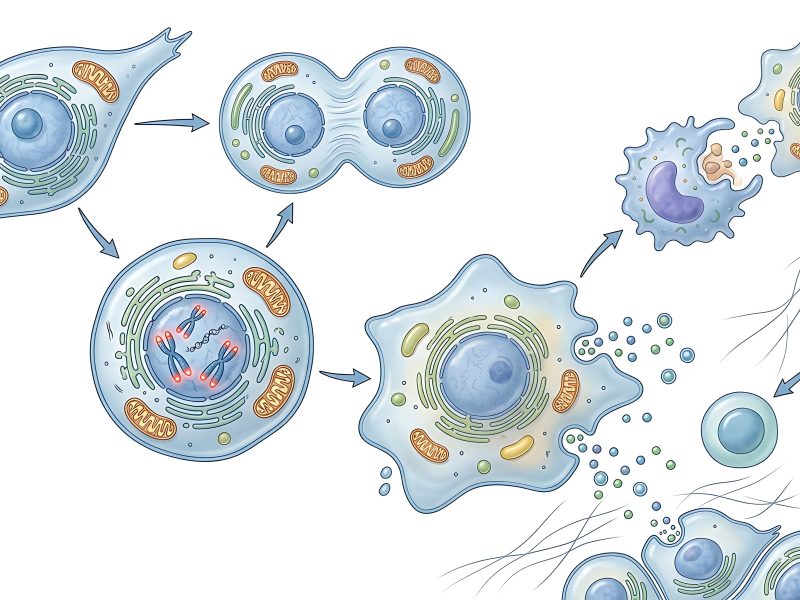
This review examines the many intrinsic and extrinsic stimuli that induce senescence, including DNA damage, oxidative and mitochondrial stress, telomere attrition, oncogene activation, cell–cell fusion, and developmental signals.

Aging (Aging-US) invites submissions for a Special Collection dedicated to the theme of cellular senescence, spanning its basic mechanisms, physiological and pathological functions, and clinical applications.

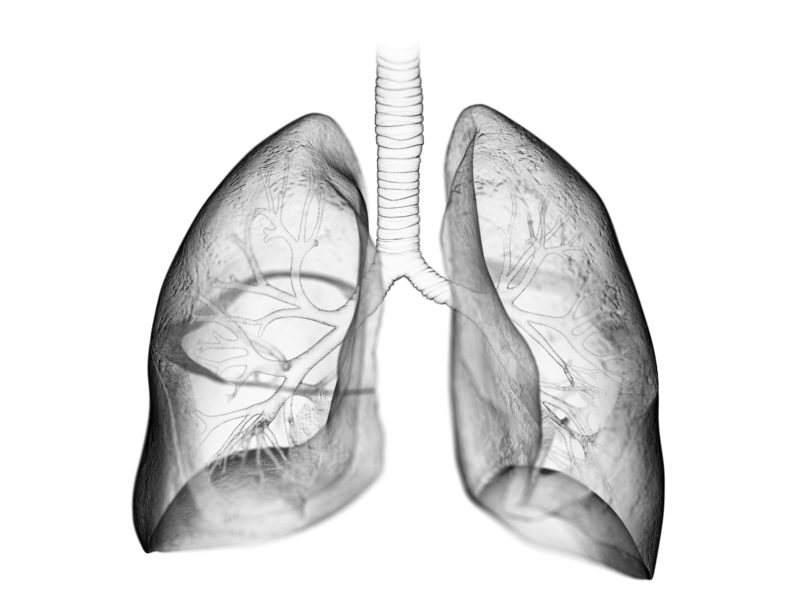
In a new study, researchers investigated myocyte-secreted factors with the potential to suppress cellular senescence, aiming to explore their protective effects against lung disease.

In this new study, researchers investigated the senescent phenotypes of human corneal endothelial cells upon UV-A exposure.

In a new study, researchers aimed to investigate the prognostic significance of senescence-related TME genes in head and neck squamous cell carcinoma (HNSCC) and their potential implications for immunotherapy response.
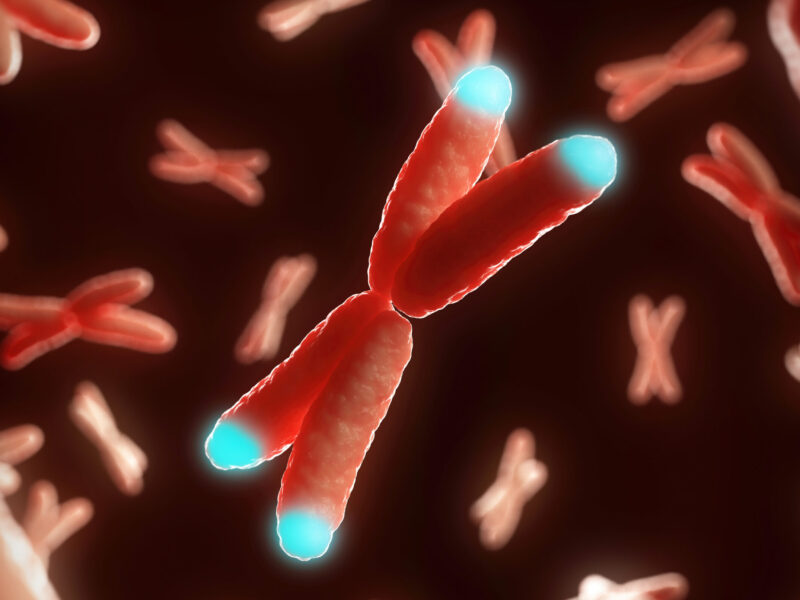

A new study by researchers from Osaka University’s Graduate School of Dentistry investigated cellular senescence in periodontal tissue and disease—identifying promising therapeutic targets for preventing periodontitis in the elderly.
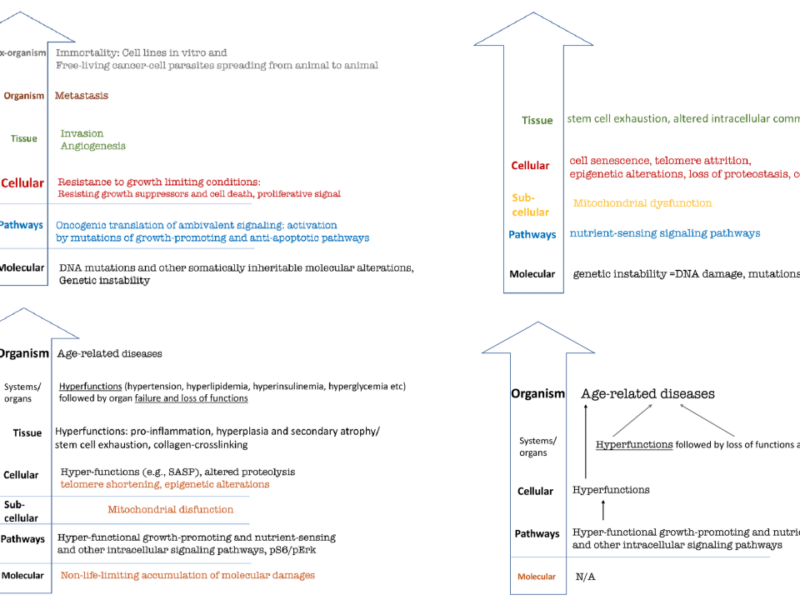
Dr. Mikhail Blagosklonny published an original review paper in Aging (Aging-US) Volume 14, Issue 9, entitled, “Hallmarks of cancer and hallmarks of aging.”