
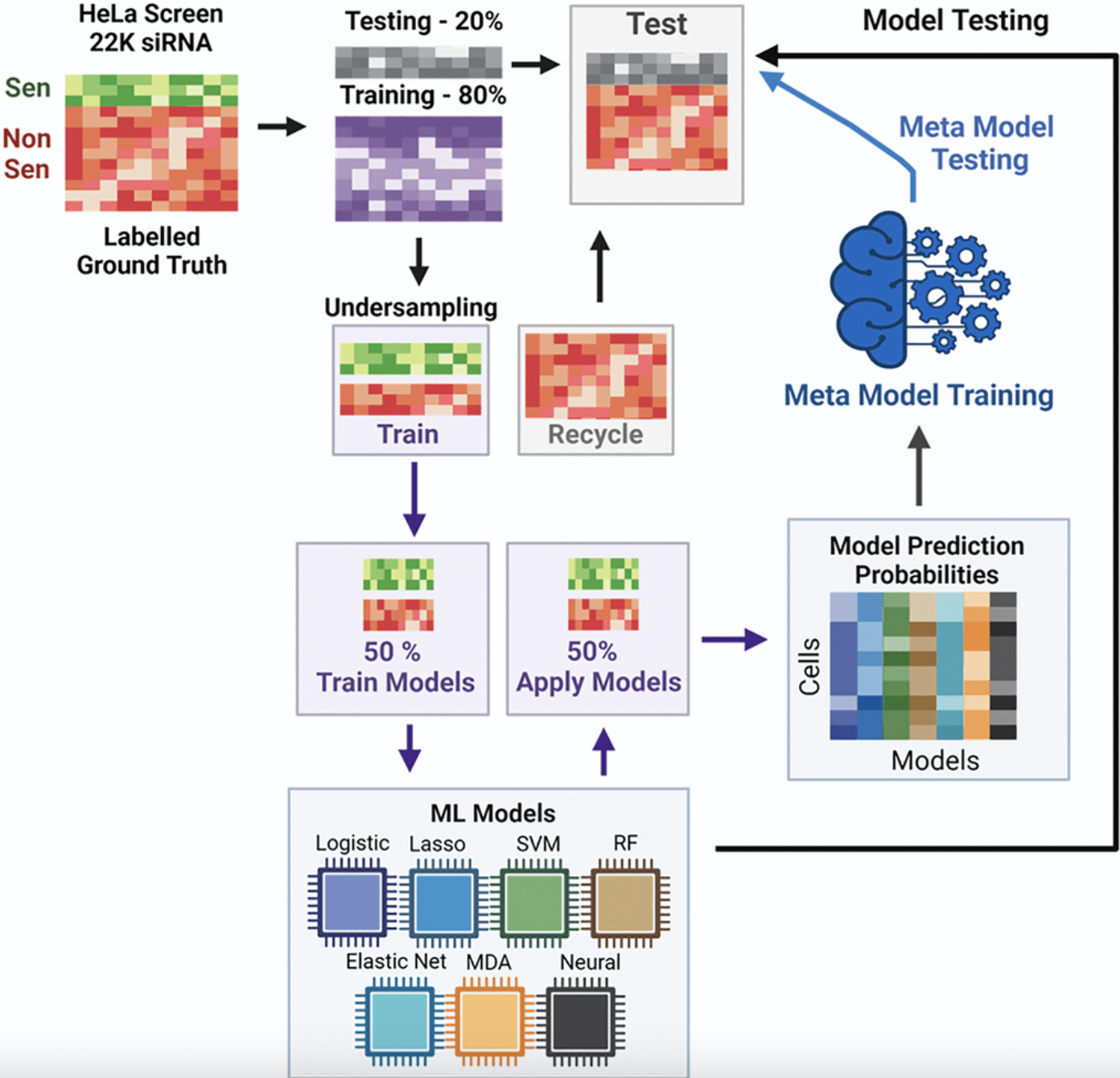
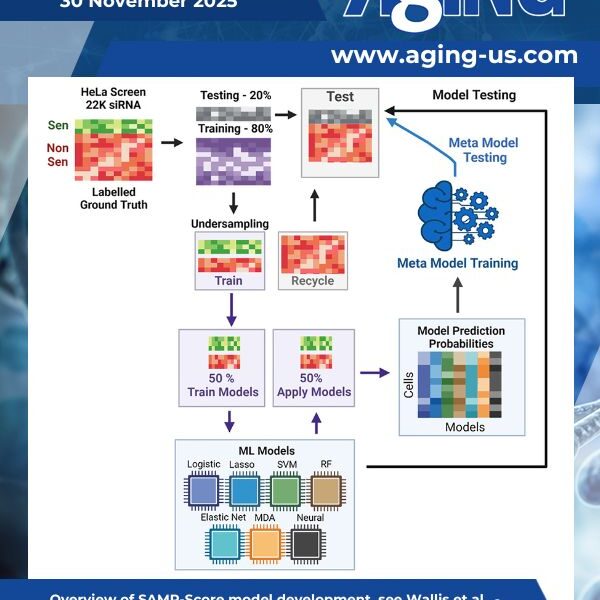
The paper featured on the cover of this issue of Aging-US, published on October 30, 2025, entitled “SAMP-Score: a morphology-based machine learning classification method for screening pro-senescence compounds in p16-positive cancer cells,” represents an important methodological and conceptual advance at the interface of senescence biology, imaging and drug discovery.
Aging Research
Senescence identification is rendered challenging due to a lack of universally available biomarkers. This represents a bottleneck in efforts to develop pro-senescence therapeutics – agents designed to induce the arrest of cellular proliferation associated with a senescence response in cancer cells for therapeutic gain.

Impact Journals, the publisher of Aging, is once again proudly sponsoring the Open Access Team in the annual Ride for Roswell.

In this new study, researchers investigated the intricate link between mitophagy and cancer stem cells.

In a new study, researchers aimed to investigate the prognostic significance of senescence-related TME genes in head and neck squamous cell carcinoma (HNSCC) and their potential implications for immunotherapy response.

In a new study, researchers investigated the effectiveness and safety of EGFR-tyrosine kinase inhibitors in elderly patients with EGFR-mutated advanced non-small-cell lung cancer (NSCLC).
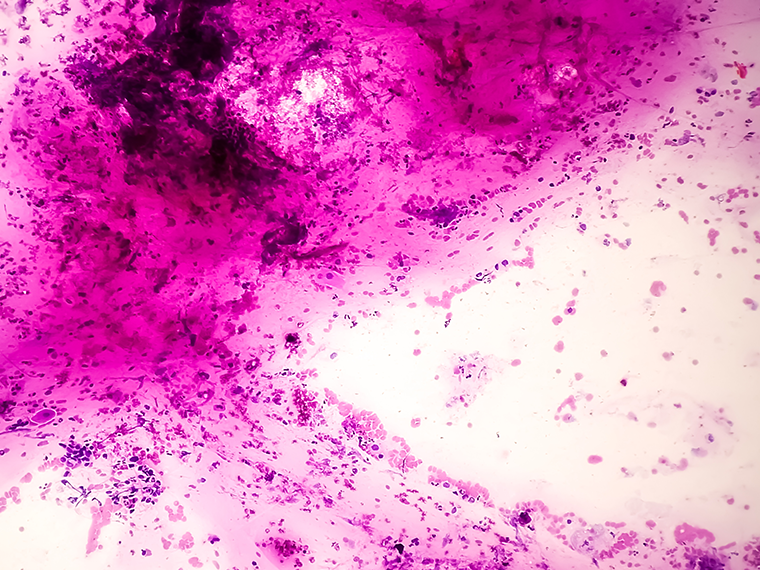
In this new study, researchers revealed a novel role for LGR6 in enhancing WNT signals in pancreatic cancer.
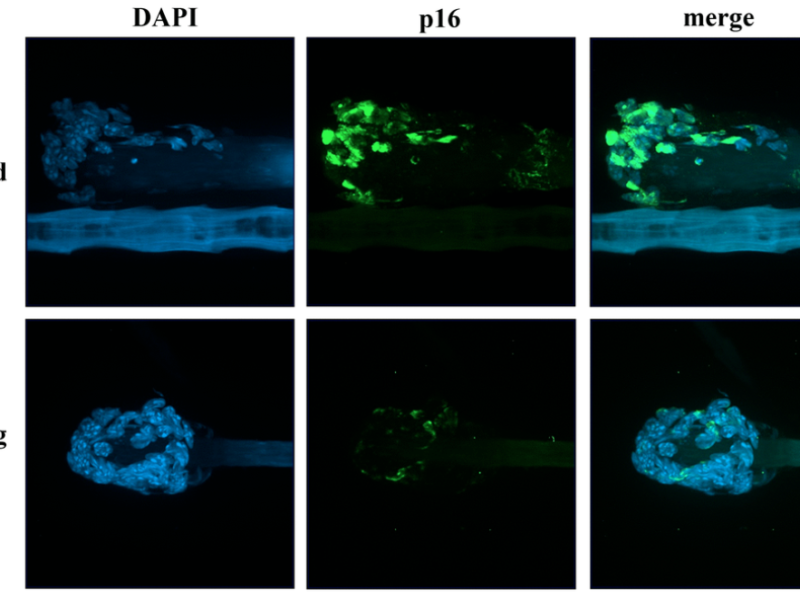
A new device has been developed by researchers to efficiently and painlessly collect hair follicle tissue samples from laboratory mammals, and even humans.